


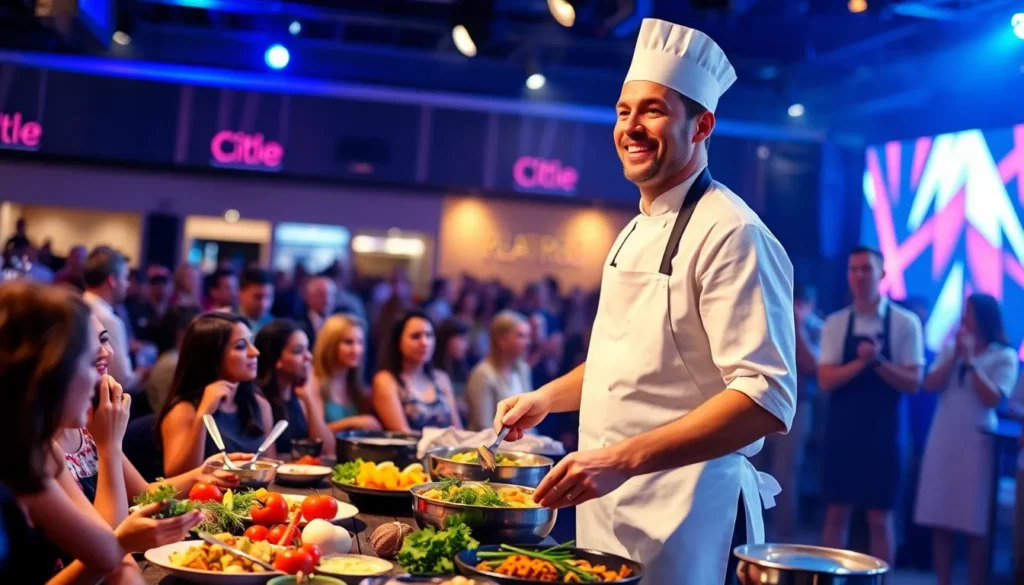
Imagine a culinary spectacle where sizzling pans and aromatic spices dance together in perfect harmony. Live cooking events turn ordinary meals into extraordinary experiences, captivating food lovers and curious onlookers alike. There’s something magical about watching a chef whip up culinary masterpieces right before your eyes, making even the simplest ingredients feel like they’re on a first-class trip to Flavor Town.
Overview of Live Cooking Events
Live cooking events offer a dynamic culinary experience that engages audiences. Participants witness the artistry of chefs as they prepare dishes in real-time. These events often feature a range of cuisines, showcasing both traditional recipes and innovative culinary techniques.
Chefs share insights about their cooking methods, tools, and ingredient selections, enriching the audience’s knowledge. Spectators not only observe but also interact with the chefs, making the experience more immersive. Many live cooking events include opportunities for audience members to ask questions or even assist with meal preparation.
The atmosphere at these events buzzes with excitement. Guests appreciate sampling dishes prepared during the event, providing immediate feedback and enhancing their appreciation for the culinary arts. Community engagement also forms a vital part of these occasions, uniting food lovers through shared experiences.
Various venues, such as culinary schools, restaurants, or food festivals, host live cooking events. Flexibility in location allows for diverse audience participation. Events often take place as part of larger festivals or as standalone activities that draw crowds.
Media exposure amplifies the allure of live cooking events. Television shows and social media provide platforms where talented chefs showcase their skills, inspiring viewers to attend similar events. Consequently, this visibility creates a buzz, connecting food enthusiasts with culinary professionals.
Ultimately, live cooking events serve as a bridge between chefs and the community, fostering appreciation for food and cooking. By experiencing the preparation firsthand, audiences develop a deeper understanding and respect for culinary arts. These events transform cooking from a solitary task into a communal celebration.
Benefits of Attending Live Cooking Events
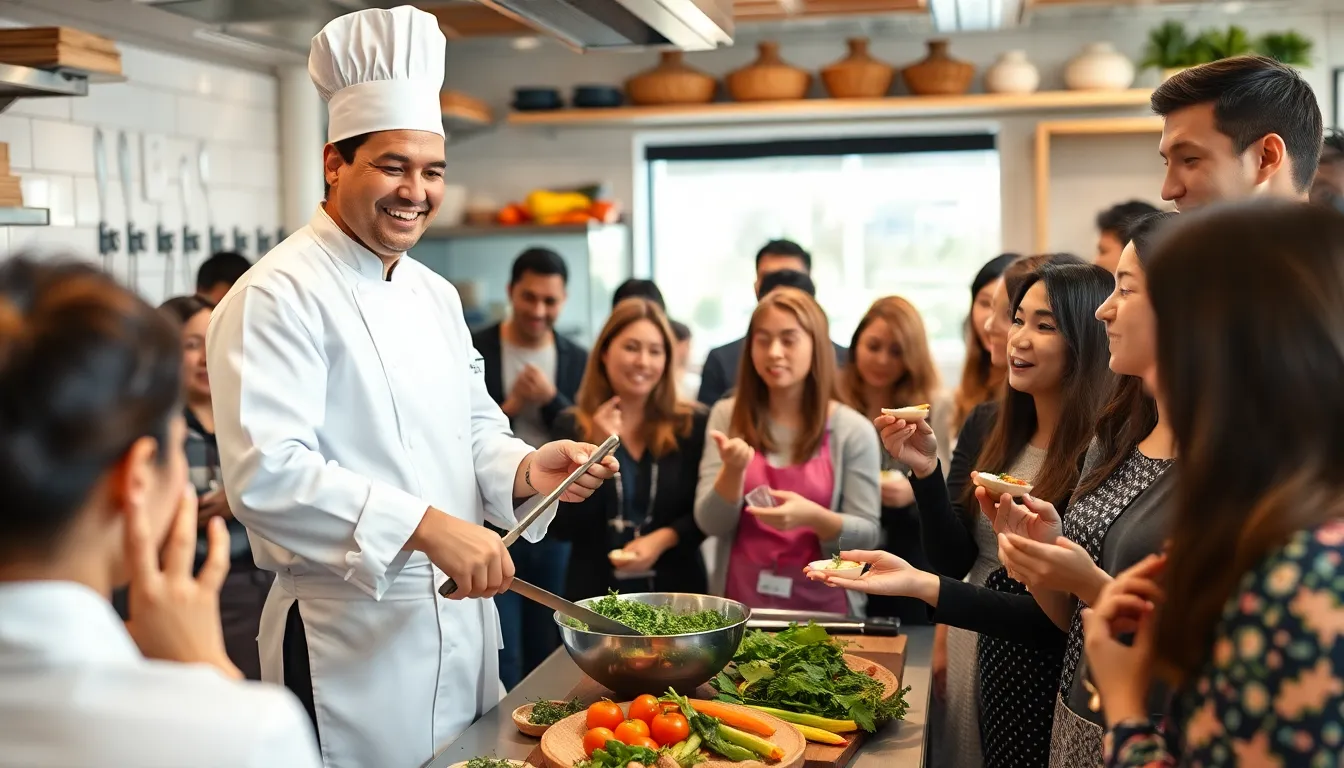
Live cooking events offer unique advantages that enhance the culinary experience. These benefits include interactive opportunities and skill development.
Interactive Experience
Engagement with chefs creates a personal connection. Audiences appreciate the chance to ask questions and receive immediate responses. Guests often sample dishes, experiencing flavors firsthand. Interaction fosters a vibrant atmosphere, amplifying enjoyment. Enthusiasts also connect with fellow food lovers, sharing thoughts on techniques and ingredients. Feedback from participants can influence chefs, creating a dynamic exchange of ideas. The tactile experience of cooking demonstrations allows attendees to grasp culinary nuances while providing insights that elevate their cooking at home.
Skill Development
Attending these events boosts practical culinary skills. Demonstrations highlight techniques that participants can replicate in their kitchens. Observing chefs enhances knowledge about ingredient selection, cutting methods, and cooking times. Learning from industry professionals enables attendees to refine their culinary approaches. Workshops may also focus on specific cuisines, expanding one’s culinary repertoire. Skills developed range from basic knife techniques to complex plating aesthetics. Increased confidence in cooking cultivates a sense of accomplishment, inspiring guests to experiment with new recipes.
Types of Live Cooking Events
Live cooking events vary widely, offering unique experiences that cater to different interests and audiences. They include cooking classes that allow participants to engage actively while learning new skills.
Cooking Classes
Cooking classes involve hands-on participation, where attendees immerse themselves in the culinary process. These classes typically center on specific cuisines or techniques, enabling participants to sharpen their culinary skills. Instructors share professional insights while guiding each step, fostering an educational yet enjoyable atmosphere. Participants not only learn how to prepare dishes but also gain knowledge about ingredient selection and cooking methods. By the end, students often leave equipped with recipes and skills they can replicate at home.
Food Festivals
Food festivals showcase diverse culinary traditions, attracting food lovers from all backgrounds. These festivals create a lively environment where chefs demonstrate their craft live. Attendees can sample various dishes, experiencing flavors and textures firsthand. Events often feature local ingredients and cultural influences that highlight regional specialties. Engaging with chefs at these festivals offers valuable insights into innovative cooking techniques. Food enthusiasts also enjoy mingling with fellow attendees, enhancing the sense of community around culinary arts.
Tips for Organizing a Successful Live Cooking Event
Organizing a live cooking event requires careful planning and execution to create an engaging experience for the audience. Here are some key factors to consider.
Venue Selection
Selecting the right venue plays a critical role in the event’s success. Choose spaces that accommodate your expected attendance while providing essential amenities like a kitchen setup and seating. Popular options include culinary schools, restaurants, and outdoor food festivals. Consider accessibility, parking, and ambiance when making your choice. A vibrant atmosphere enhances the live cooking experience, encouraging interaction and participation among guests. Ensuring a flexible layout allows for optimal viewing angles and facilitates engagement during cooking demonstrations.
Promotion Strategies
Effective promotion amplifies interest and attendance at the event. Utilize a mixture of social media channels, email newsletters, and local advertising. Engaging content, such as behind-the-scenes previews and chef interviews, captivates potential attendees. Target food enthusiasts and local communities to broaden your audience. Collaborating with influencers or food bloggers can also help expand reach and generate excitement. Offering early bird discounts or exclusive tasting experiences creates urgency, encouraging potential attendees to secure their spots.
Live cooking events create a unique atmosphere where culinary art comes to life. They invite audiences to engage with chefs and experience the thrill of cooking firsthand. This interaction not only enhances appreciation for food but also fosters a sense of community among participants.
As these events continue to grow in popularity, they bridge the gap between chefs and food lovers, making cooking a shared experience. Whether through cooking classes or food festivals, the excitement and knowledge gained are invaluable. Attending a live cooking event is more than just a meal; it’s a celebration of flavors and creativity that leaves lasting memories.